


The Evolution of BI Reporting: From Static Reports to Interactive Dashboards
Published: December 08, 2023 | Updated: July 09, 2025
Enterprises are inundated with data. The sheer volume of data about customers, products, suppliers, competitors, business partners, and more has never been so extensive and yet crucial. Business Intelligence (BI) tools are vital to make sense of the staggering volume of data and uncover actionable insights.
Business intelligence tools have evolved from precise reporting engines that generate pixel-perfect outputs to advanced analytics platforms powered by robust artificial intelligence technology. From static reports that presented data in a fixed format to the emergence of interactive dashboards, the journey has been transformative.
This article explores the evolution of BI reporting, tracing the transition from static tables and charts to the integration of interactive elements. We'll also delve into the different components of interactive dashboards, examine their benefits, ponder the relevance of static reports in today's data-driven world, and compare use cases of static dashboards versus their interactive counterparts.
The Static Era: Tables, Charts, and the Limitations
Not long ago, static reports were the cornerstone of BI reporting. These reports typically consisted of tables and charts that displayed pre-aggregated data in a fixed, unalterable format. While these reports provided a snapshot of historical data, they lacked the flexibility and interactivity demanded by today's fast-paced business environment.
Static reports had several limitations. First and foremost, they offered little room for exploration. Users were confined to the information presented in the report, unable to drill down into specific data points or customize the view according to their needs. This lack of interactivity hindered the ability to derive meaningful insights from the data, limiting the potential for informed decision-making.
Moreover, static reports were time-consuming to produce and often required manual effort for updates. As businesses increasingly sought real-time insights, the static nature of these reports became a significant drawback. Decision-makers needed access to up-to-the-minute data to respond swiftly to market changes and emerging trends.
The Rise of Interactive Dashboards
Recognizing the shortcomings of static reports, the BI industry witnessed a paradigm shift towards interactive dashboards. This evolution was driven by the need for more dynamic, user-centric reporting solutions that could keep pace with the ever-changing business landscape.
Interactive dashboards revolutionized the way data was presented and consumed. Instead of static tables and charts, these dashboards featured dynamic, customizable elements that empowered users to interact with the data in real-time.
Key components of interactive dashboards include:
- Drill-Down Capabilities: Unlike static reports, interactive dashboards allow users to drill down into specific data points for a more detailed view. This functionality enables a deeper understanding of trends, outliers, and contributing factors.
- Filters and Parameters: Interactive dashboards often include filters and parameters that enable users to tailor the data to their specific needs. This customization ensures that the information presented is relevant and aligns with the user's focus.
- Dynamic Data Refresh: One of the critical advantages of interactive dashboards is the ability to refresh data in real-time. This ensures that decision-makers have access to the latest information, empowering them to make timely and informed decisions.
- Data Visualization Options: Interactive dashboards offer a variety of data visualization options, from traditional charts and graphs to heat maps, geographical maps, and more. This diverse range of visualizations enhances the communication of complex data sets.
- Collaboration Features: Many interactive dashboards incorporate collaboration features, allowing users to share insights, comments, and annotations within the platform. This fosters a collaborative decision-making environment and promotes knowledge sharing.
Benefits of Interactive Dashboards
The adoption of interactive dashboards has brought about numerous benefits for organizations seeking to derive actionable insights from their data and drive digital impact. Some of the key advantages include:
- Enhanced Decision-Making: Interactive dashboards empower decision-makers with real-time, customizable insights, enabling them to make informed decisions quickly.
- Improved User Engagement: The interactive nature of dashboards enhances user engagement by providing a more intuitive and user-friendly experience. Users can actively explore and interact with the data, fostering a deeper understanding.
- Time Efficiency: With features such as dynamic data refresh and customization options, interactive dashboards save time for both analysts and decision-makers. There's no need to wait for static reports to be generated or sift through irrelevant data.
- Scalability: Interactive dashboards are scalable to accommodate growing data volumes and evolving business requirements. This scalability ensures that the BI solution remains relevant and effective as the organization expands.
- Better Communication of Insights: The diverse range of data visualizations available in interactive dashboards facilitates clearer communication of insights. Decision-makers can grasp complex trends and patterns at a glance, enhancing the overall understanding of the data.
Static Reports: Are They Still Relevant?
In the era of interactive dashboards, the question arises: Are static reports still relevant? While interactive dashboards have become the preferred choice for many organizations, static reports still hold value in certain scenarios.
- Regulatory Compliance: In industries subject to strict regulatory compliance, static reports may be necessary for documentation and audit purposes. These reports provide a fixed record of the data at a specific point in time, ensuring transparency and compliance.
- Historical Analysis: When the primary goal is to conduct historical analysis and track changes over time, static reports can be a suitable choice. These reports offer a static snapshot of data, making them conducive to retrospective examination.
- Simplicity and Accessibility: In some cases, simplicity and accessibility may be more important than interactivity. Static reports are straightforward and may be easier for certain audiences to comprehend, especially when detailed analysis and customization are not required.
Use Cases: Static Dashboards vs. Interactive Dashboards
To gain a deeper understanding of how static and interactive dashboards cater to the specific needs of digital, analytics, and marketing functions, let's explore use cases that highlight the strengths and weaknesses of each approach.
1. Campaign Performance Overview:
Static Dashboard: At the end of a marketing campaign, a static report can be generated to provide an overall performance overview. This report may include high-level metrics such as total reach, impressions, and conversion rates, offering a consolidated snapshot for executive summaries or board presentations.
Interactive Dashboard: Campaign managers can leverage interactive dashboards throughout the campaign to monitor real-time metrics. By customizing views, filtering data by demographics or geography, and drilling down into specific channels, they can gain insights into the effectiveness of different elements of the campaign. This dynamic approach enables quick adjustments to optimize ongoing strategies.
2. Lead Generation and Conversion:
Static Dashboard: For periodic lead generation and conversion reports presented to stakeholders, a static dashboard can offer a fixed summary of lead acquisition and conversion metrics. This provides a snapshot of performance over a specific timeframe.
Interactive Dashboard: Marketing and sales teams actively engaged in lead generation can benefit from interactive dashboards that offer real-time insights into lead sources, conversion rates, and customer journeys. With the ability to customize views and explore data at a granular level, marketers can identify high-performing channels, optimize lead nurturing strategies, and enhance overall conversion rates.
3. Social Media Analytics:
Static Dashboard: A static report on social media performance may be generated monthly for broader social media strategy discussions. This report can encapsulate key metrics such as follower growth, engagement rates, and top-performing content.
Interactive Dashboard: Social media managers, on the other hand, can use interactive dashboards to monitor real-time social media analytics. These dashboards enable them to drill down into specific platforms, analyze audience demographics, track engagement on individual posts, and respond promptly to emerging trends. The dynamic nature of the dashboard supports agile social media strategy adjustments and timely responses to audience interactions.
4. Content Marketing Effectiveness:
Static Dashboard: For periodic content marketing reviews, a static dashboard can provide a fixed presentation of content performance metrics such as page views, time on page, and lead generation attributed to specific content pieces.
Interactive Dashboard: Content marketers can leverage interactive dashboards to track real-time content performance, analyze user engagement patterns, and assess the impact of various content types across different channels. By customizing views based on audience segments or content categories, marketers can gain deeper insights into what resonates with their audience and adapt their content strategy accordingly.
5. Ad Spend and ROI Analysis:
Static Dashboard: Quarterly or annual reports on ad spend and return on investment (ROI) may be generated using static dashboards to provide an overview of overall advertising performance.
Interactive Dashboard: Marketing finance teams can benefit from interactive dashboards that allow them to drill down into specific advertising campaigns, analyze the ROI in real-time, and make data-driven decisions on budget allocation. The ability to adjust parameters and view performance metrics across different campaigns enhances the precision of financial planning and optimization of advertising expenditures.
In summary, for enterprise functions, the choice between static and interactive dashboards depends on the specific requirements of the analysis. While static dashboards offer a consolidated view suitable for periodic reviews and executive presentations, interactive dashboards empower professionals with real-time, customizable insights, facilitating agile decision-making and optimization of strategies in response to ever-changing market dynamics. The evolving landscape of analytics continues to emphasize the importance of interactive dashboards in providing enterprises with the tools they need to stay ahead in the competitive digital environment.
The Future of BI: Navigating the Data-driven Frontier
The trajectory of BI is poised to be shaped by several key trends that are set to redefine how organizations gather, analyze, and derive value from their data.
Artificial Intelligence and Machine Learning Integration:
The integration of artificial intelligence (AI) and machine learning (ML) is set to revolutionize BI by elevating analytics to new heights. BI tools will increasingly leverage AI algorithms to automate data analysis, uncover hidden patterns, and generate actionable insights without the need for manual intervention. Machine learning algorithms will evolve to become more adept at predictive analytics, enabling organizations to anticipate trends and make proactive, data-driven decisions.
Augmented Analytics for Enhanced Decision-Making:
Augmented analytics, combining AI and analytics, will play a pivotal role in the future of BI. These systems will assist users in preparing data, uncovering insights, and even suggesting courses of action. By automating routine tasks and augmenting human capabilities, augmented analytics will empower decision-makers to focus on strategic thinking and creative problem-solving.
Natural Language Processing (NLP) for Intuitive Interaction:
The future of BI will witness a shift towards more intuitive interaction with data through the integration of natural language processing (NLP). Users will be able to query data, generate reports, and receive insights using everyday language, making BI tools more accessible to a broader audience within organizations. This democratization of data access will empower non-technical users to harness the power of BI without the need for specialized skills.
Advanced Data Visualization Techniques:
The visualization landscape in BI will continue to evolve with the introduction of more advanced and immersive techniques. Virtual and augmented reality (VR/AR) will likely find applications in BI, providing users with interactive and three-dimensional data exploration experiences. These advancements in data visualization will enhance the clarity and depth of insights, fostering a deeper understanding of complex data sets.
Edge Computing for Real-time Insights:
As the demand for real-time insights grows, edge computing will play a crucial role in the future of BI. By processing data closer to the source, organizations can reduce latency and gain instantaneous access to critical information. This is particularly relevant for industries where timely decision-making is paramount, such as manufacturing, healthcare, and finance.
Personalized and Contextual Insights:
BI tools of the future will move beyond one-size-fits-all approaches, delivering personalized and contextual insights to individual users. By understanding user behavior, preferences, and roles, BI systems will tailor recommendations and reports to meet the specific needs of each user. This level of personalization will drive greater user engagement and adoption across diverse organizational functions.
Conclusion
The evolution of BI reporting from static reports to interactive dashboards reflects the growing demand for dynamic, user-centric solutions in the data-driven era. While static reports still have relevance in certain contexts, the advantages offered by interactive dashboards in terms of customization, real-time insights, and user engagement make them the preferred choice for many organizations.
As businesses continue to navigate an ever-changing landscape, the evolution of BI reporting is likely to persist. The integration of advanced analytics, artificial intelligence, and machine learning will further enhance the capabilities of interactive dashboards, enabling organizations to extract even more value from their data. In this dynamic environment, the key to successful BI reporting lies in finding the right balance between static and interactive elements to meet the diverse needs of stakeholders and drive informed decision-making.


Global Office Locations

2570 N. First Street, Suite 200,
San Jose, CA 95131

Office No. 26, 10/F, Beverley Commercial Centre,
87-105 Chatham Road South, Tsim Sha Tsui, Kowloon,
Hong Kong

The Octagon Building, #11-07, 105, Cecil Street,
Singapore 069 534

#901, 9th Floor , Ellora Fiesta.
Plot No - 8 , Sector - 11 , Sanpada.
Opp. Juinagar Rly Station.
Navi Mumbai – 400 705

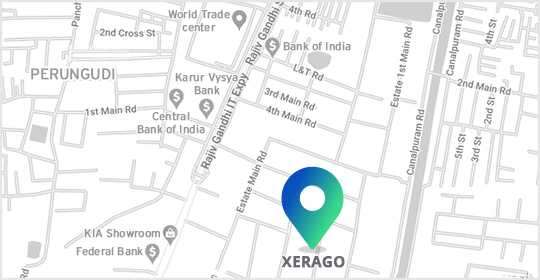
Xerago Towers, Plot 80 & 93,
Industrial Estate, Perungudi,
Chennai, Tamil Nadu - 600096




(Coming Soon)
2570 N. First Street, Suite 200,
San Jose, CA 95131
Office No. 26, 10/F, Beverley Commercial Centre,
87-105 Chatham Road South,
Tsim Sha Tsui, Kowloon,
Hong Kong
The Octagon Building, #11-07, 105, Cecil Street,
Singapore 069 534
#901, 9th Floor , Ellora Fiesta.
Plot No - 8 , Sector - 11 , Sanpada.
Opp. Juinagar Rly Station.
Navi Mumbai – 400 705
Xerago Towers, Plot 80 & 93,
Industrial Estate, Perungudi,
Chennai, Tamil Nadu - 600096
(Coming Soon)