


From Data to Dollars - Data-Driven Strategies for Effective Campaigns in the Retail segment
Published: September 27, 2023 | Updated: July 08, 2024
The retail industry is undergoing a profound transformation, driven by advancements in technology and changing consumer preferences. In this rapidly evolving landscape, data has become a valuable asset that can provide retailers with a competitive edge. Retailers can harness the power of data to enhance customer engagement, optimize campaigns, and ultimately boost their bottom line.
Xerago knows from experience that by adopting data-driven strategies, retailers can gain a deeper understanding of customer behavior, preferences, and purchasing patterns and run can create more targeted and impactful marketing initiatives that resonate with their audiences.
1. Customer Segmentation and Personalization:
One of the cornerstones of data-driven retail marketing is customer segmentation and personalization. By analyzing customer data, retailers can identify distinct segments within their customer base.
Data-driven campaigns begin with understanding your audience. By segmenting your customer base based on demographics, behavior, purchase history, and preferences, you can tailor your campaigns to address specific customer needs.
Tailoring marketing campaigns to specific segments allows for more personalized messaging, product recommendations, and offers, increasing the likelihood of conversion. Personalization creates a sense of relevance and connection, fostering stronger customer loyalty.
2. Predictive Analytics:
Predictive analytics enables retailers to anticipate future trends and behaviors based on historical data patterns. By analyzing past purchase history, web interactions, and external factors like seasonality, retailers can make informed decisions about inventory management, pricing strategies, and campaign timing. This approach minimizes the risk of stock-outs or overstocking, enhances campaign effectiveness, and maximizes revenue opportunities.
In retail campaigns, this can help you anticipate demand, optimize pricing strategies, and even predict which products are likely to sell well. By identifying patterns and trends in customer behavior, you can make informed decisions that maximize the impact of your campaigns.
3. Real-time Data Insights:
In the age of instant gratification, real-time data insights are crucial for effective retail marketing and campaign management. Monitoring real-time data allows retailers to respond promptly to shifts in customer behavior, preferences or market trends. This agility is particularly valuable in adjusting campaigns on-the-fly and optimizing marketing messages for relevance. For example, if a certain product is gaining traction online, you can adjust your campaigns to promote it more prominently, both online and in-store, in real time.
-time data also aids in tracking campaign performance, enabling retailers to make data-driven adjustments to enhance outcomes.
4. Personalizing Campaigns and Engagement:
Personalization goes beyond addressing customers by their first names. It involves using data to create highly tailored experiences. By analyzing customer preferences, purchase history, and browsing behavior, you can run campaigns or recommend products that are most likely to interest individual customers. Personalized recommendations and campaigns increase the likelihood of conversions and enhance customer satisfaction.
5. Omni-channel and Multi-Channel Integration:
Today's consumers engage with brands across various channels – online, in-store, social media, and more. Omni-channel or multi-channel retailing involves creating a seamless experience across various touch-points, such as physical stores, online platforms, mobile apps, and social media. Data-driven strategies play a pivotal role in achieving this integration.
Retailers can use data to understand customer interactions across different channels, enabling them to deliver consistent messaging and personalized experiences. For instance, a customer who browses a product online can receive targeted campaigns for that same product while visiting a physical store.
Or if a customer abandons a shopping cart online, you can send a follow-up email with the abandoned items and an incentive to complete the purchase, creating a seamless experience.
6. A/B Testing and Iterative Improvement:
Data-driven strategies emphasize constant improvement through A/B testing and iterative approaches. A/B testing involves creating variations of campaign elements (such as subject lines, visuals, or calls to action) and testing them with different segments of your audience. Analyzing the results helps retailers determine what resonates best with customers, identify the most effective strategies and refine campaigns accordingly. This iterative process ensures continuous optimization, improved effectiveness and a better alignment with customer preferences.
7. Customer Journey Mapping:
Understanding the customer journey is crucial for effective campaign management. By mapping out the various touch-points a customer interacts with before making a purchase, you can identify opportunities to engage and influence them. Data-driven insights help you optimize each touch-point to guide customers seamlessly toward conversion.
8. ROI Measurement:
Data-driven campaigns aren't just about engagement; they're about measurable results. By tracking key performance indicators (KPIs) such as conversion rates, click-through rates, and return on investment (ROI), you can assess the success of your campaigns. This data allows you to allocate resources more effectively and make data-backed decisions for future campaigns.
Data-driven strategies have revolutionized retail marketing and campaign management, providing retailers with actionable insights to engage customers effectively and drive sales. By harnessing the power of customer segmentation, predictive analytics, real-time insights, personalization, multi-channel integration, A/B testing, customer journey mapping, and ROI measurement, retailers can create campaigns that resonate with their target audience, drive conversions, and contribute to the overall growth of the business.
Data-driven strategies are at the core of successful retail campaigns. In today's competitive retail landscape, data-driven campaigns are no longer an option but a necessity for achieving sustainable success.


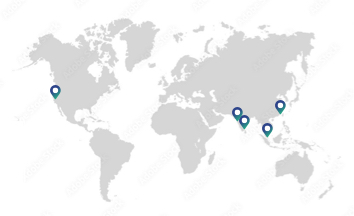
Global Office Locations
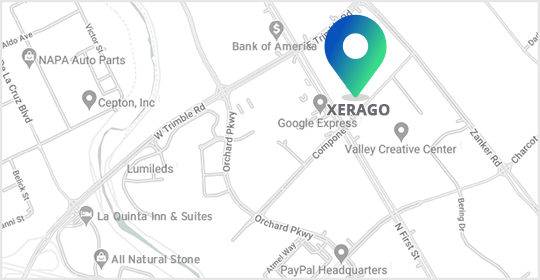
2570 N. First Street, Suite 200,
San Jose, CA 95131
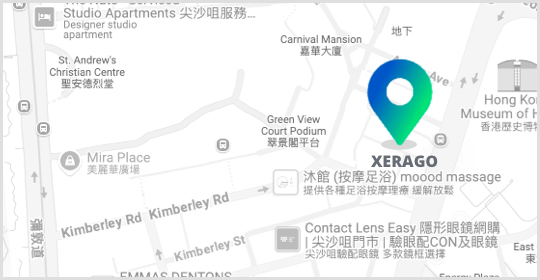
Office No. 26, 10/F, Beverley Commercial Centre,
87-105 Chatham Road South, Tsim Sha Tsui, Kowloon,
Hong Kong
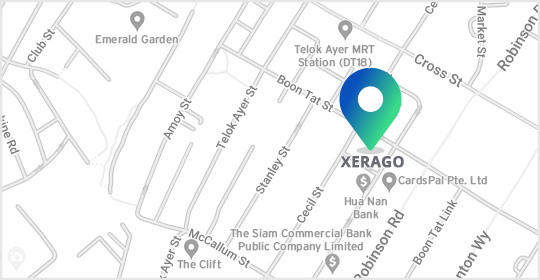
The Octagon Building, #11-07, 105, Cecil Street,
Singapore 069 534
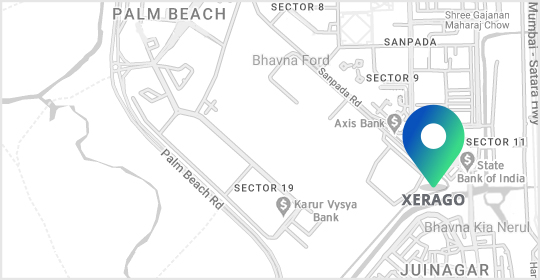
#901, 9th Floor , Ellora Fiesta.
Plot No - 8 , Sector - 11 , Sanpada.
Opp. Juinagar Rly Station.
Navi Mumbai – 400 705
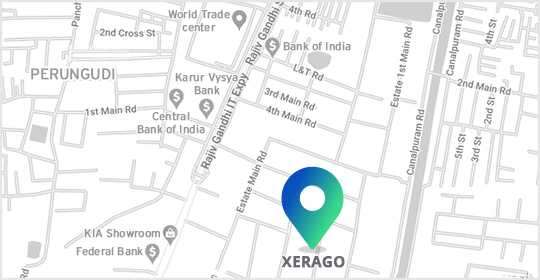
Xerago Towers, Plot 80 & 93,
Industrial Estate, Perungudi,
Chennai, Tamil Nadu - 600096


(Coming Soon)
2570 N. First Street, Suite 200,
San Jose, CA 95131
Office No. 26, 10/F, Beverley Commercial Centre,
87-105 Chatham Road South,
Tsim Sha Tsui, Kowloon,
Hong Kong
The Octagon Building, #11-07, 105, Cecil Street,
Singapore 069 534
#901, 9th Floor , Ellora Fiesta.
Plot No - 8 , Sector - 11 , Sanpada.
Opp. Juinagar Rly Station.
Navi Mumbai – 400 705
Xerago Towers, Plot 80 & 93,
Industrial Estate, Perungudi,
Chennai, Tamil Nadu - 600096
(Coming Soon)